Ultrasonic thickness measurement
Measurement & survey support

UTM / UTG services

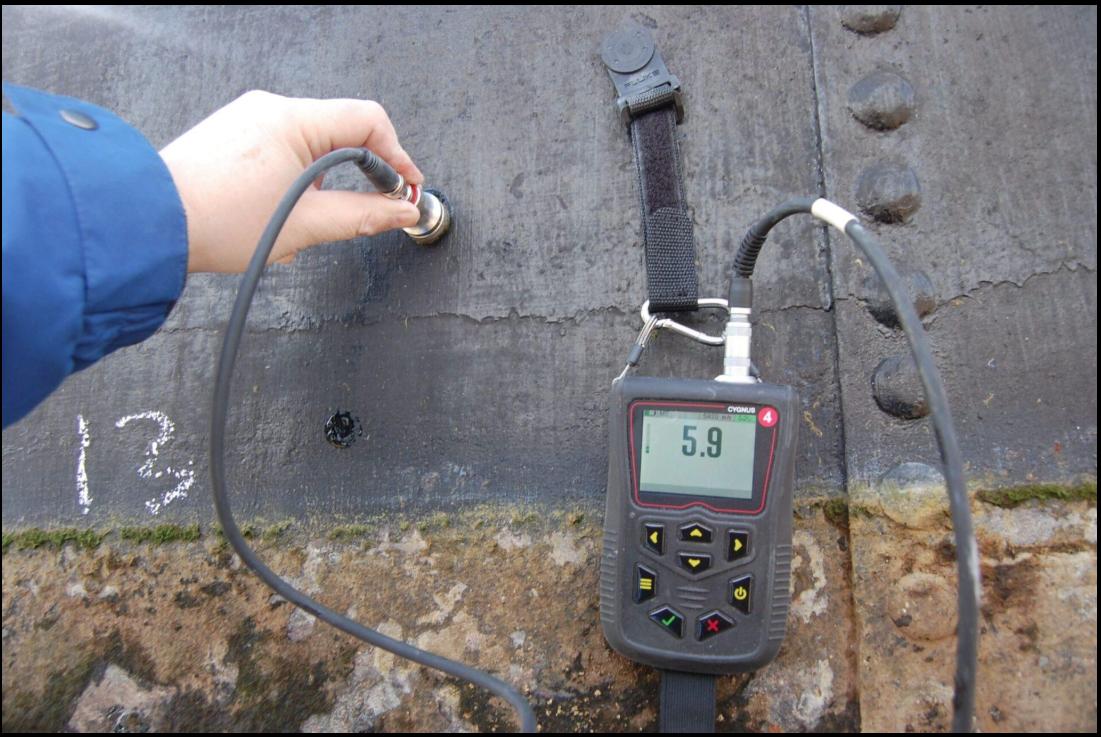
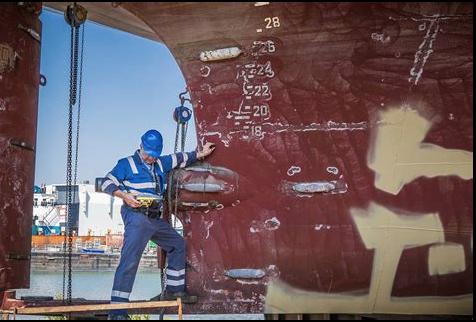
Our company provides ultrasonic thickness measurement and gauging to verify structural integrity, support class reporting, and plan steel renewals.

We combine UTM with complementary NDT methods - magnetic particle, dye penetrant, visual inspection, and advanced scanning - when your survey scope requires it.

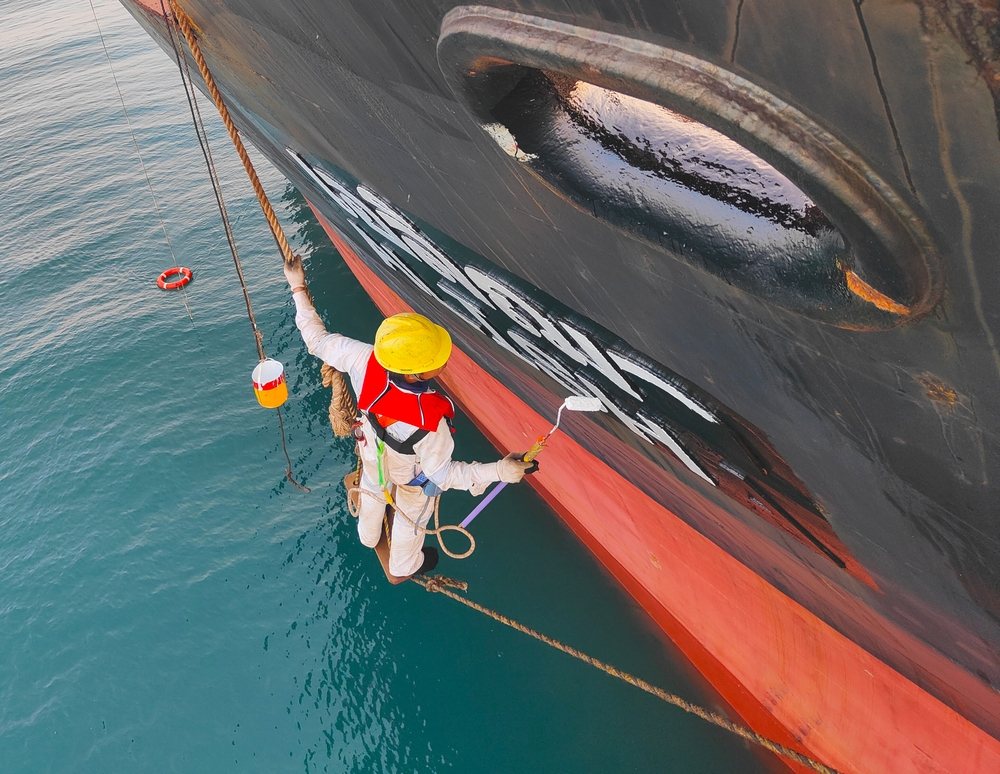
Our UTM / UTG capability is supported by maritime inspection and survey, industrial rope access, and marine painting teams - mobilized under one superintendent interface when your port call requires it.

View UTM scope
What we deliver

UTM services

Core ultrasonic thickness and gauging capabilities for hull structures, tanks, piping, and dry dock planning.

01
Ultrasonic Thickness Gauging
  • Manual or digital measurement
  • Hull, tank, and structural gauging
  • Pipeline thickness verification
02
Corrosion Mapping
  • Grid-based thickness mapping
  • Deterioration trend analysis
  • Hot-spot identification
03
Hull or Pipeline Inspection Reports
  • Structured condition reporting
  • Owner and superintendent alignment
  • Pre-drydock and condition surveys
04
Class Certification Reports
  • Reports for ship classification
  • Class-approved documentation support
  • Statutory survey alignment
05
Dry Dock Inspection Support
  • Attendance during dry docking
  • Thickness verification in dock
  • Superintendent and yard coordination
06
Steel Renewal Estimation
  • Renewal quantity planning data
  • Repair scope support
  • Maintenance and budgeting inputs
Combined capabilities

UTM with other NDT methods

We integrate ultrasonic thickness work with surface and advanced NDT techniques when cracks, welds, or subsurface defects must be assessed.

Magnetic Particle Testing (MPT) Dye Penetrant Testing (DPT) Visual Inspection Advanced Scanning (PAUT, TOFD)
Maritime inspection and survey
Class & condition surveys

Inspection & survey expertise

We provide structured maritime inspection and survey support for shipowners, operators, and managers - aligned with class requirements, flag state rules, and your operational needs.

Our scope covers hull and machinery condition, safety and navigation systems, environmental compliance, documentation, and specialised underwater and bunker surveys.

View full scope
What we inspect

Maritime inspection scope

Ten structured inspection areas - each assessed against industry standards and your superintendent or class requirements.

01
Hull & Structural Integrity
  • Corrosion, cracks, dents, coating condition
  • Watertight integrity
  • Thickness measurements
02
Machinery & Engine Room
  • Main engine condition
  • Auxiliary machinery
  • Pumps, boilers, piping systems
  • Fuel and lubrication systems
03
Safety Equipment
  • Lifeboats and life rafts
  • Firefighting systems
  • Emergency alarms
  • PPE and escape equipment
04
Navigation & Communication Equipment
  • Radar, GPS, ECDIS
  • GMDSS radio systems
  • Compass and bridge instruments
05
Cargo Handling Systems
  • Cranes and lifting gear
  • Cargo holds / tanks
  • Hatch covers
  • Loading / unloading equipment
06
Pollution Prevention Systems
  • Oil-water separator
  • Sewage treatment plant
  • Ballast water management
  • MARPOL compliance
07
Certificates & Documentation
  • Class certificates
  • SOLAS / MARPOL certificates
  • Crew licenses
  • Logbooks and maintenance records
08
Crew & Operational Readiness
  • Safety drills
  • Emergency preparedness
  • ISM compliance
  • Working / living conditions
09
Underwater Inspection
  • Propeller condition
  • Rudder and sea chests
  • Hull fouling / damage
10
Cargo / Bunker Surveys
  • Draft surveys
  • Cargo quantity verification
  • Bunker quantity surveys (fuel measurement)
Survey programmes

Common survey types

We support the full range of statutory and commercial surveys required by class, flag, charterers, and port authorities.

Initial Survey Annual Survey Intermediate Survey Renewal Survey Condition Survey On-hire / Off-hire Survey Port State Control Inspection
Rope access marine maintenance
Safe access without scaffolding

Industrial rope access

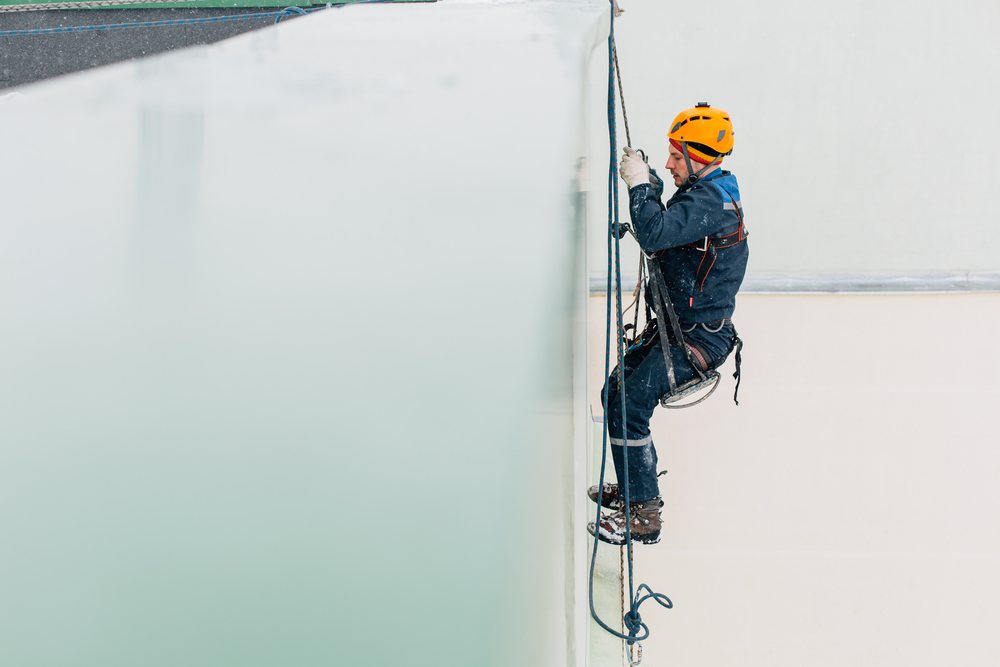
Certified rope access teams reach hulls, tanks, and offshore structures safely-without the cost, lead time, and deck obstruction of full scaffolding.

We mobilize quickly in port or at anchorage for maintenance, inspection, and installation work, with IRATA-aligned harnesses, lifelines, and rescue planning.

View full scope
What we deliver

Typical rope access activities

Certified teams perform maintenance, inspection, and installation work at height - without scaffolding delays or deck obstruction.

01
Painting & Coating
  • Hull and structure coating application
  • Touch-up and full repaint scopes
  • Surface preparation support
02
Inspection & NDT
  • Visual and close-up inspection
  • Non-destructive testing at height
  • Condition reporting for owners and class
03
Welding & Minor Steel Repairs
  • Localized weld repairs
  • Minor structural corrections
  • Supervised hot work at elevation
04
Cleaning & Hydro-jetting
  • High-pressure washing
  • Surface decontamination
  • Pre-paint and coating preparation
05
Thickness Measurement
  • UTM / UTG at difficult access points
  • Corrosion and renewal planning data
  • Aligned with survey requirements
06
Cables, Lights & Signage
  • Cable routing and installation
  • Lighting and navigation aids
  • Safety and identification signage
07
Offshore Maintenance
  • Platform and offshore unit support
  • Scheduled and breakdown attendance
  • Marine and offshore safety compliance
08
Window & Façade Cleaning
  • Port and marine building façades
  • Elevated exterior glass and cladding
  • Minimal disruption to operations
Why rope access

Advantages of rope access

Faster mobilization, lower cost than scaffolding, and safe access to confined or elevated spaces when teams are properly certified.

Faster mobilization Lower cost than scaffolding Minimal operational disruption Access to confined or elevated spaces High safety standards when certified
Standards & training

Certifications commonly required

IRATA certification SPRAT certification STCW for marine/offshore workers Confined space entry Working at height NACE / FROSIO coating inspector
On site

Equipment typically used

Full-body harnesses Descenders and ascenders Lifelines and backup systems Airless spray-painting equipment Blasting machines Gas detectors Rescue kits
Marine coating application
Protective coatings

Marine coating systems

We deliver marine painting and coating services using proven protective systems, marine-specific paints, and manufacturer-approved application procedures.

Scopes cover hulls, decks, tanks, and machinery spaces - aligned with class, charterer, and owner specifications.

View full scope
What we deliver

Coating systems

Protective barrier and primer systems, plus marine-specific paints for hulls, decks, and tanks.

01
Protective Coatings
  • Epoxy coatings
  • Polyurethane topcoats
  • Zinc-rich primers
  • Glass flake coatings
  • Heat-resistant coatings
02
Marine-Specific Paints
  • Anti-fouling coatings
  • Anti-slip deck coatings
  • Cargo tank coatings
  • Ballast tank coatings
Trusted suppliers

Popular marine coating brands

We work with leading manufacturers and apply products in line with their technical data sheets and your specification.

Jotun Hempel International Paint PPG